


 Amy Hunt
 We all want low-effort interior upgrades that make a high-impact difference without draining savings, but moving into and renovating your first home is a bit of a reality check. You go from Pinterest boards and “dream space” energy… to noticing every slightly dated finish, every mismatched door and that one light fitting you definitely didn’t choose.
The good news? You don’t need to rip everything out to make your home feel right.
In fact, some of the most effective upgrades are the simplest ones, small changes that improve how your space looks, feels and works day to day. Interior designers often highlight things like paint, lighting and hardware swaps as some of the most cost-effective ways to transform a home without major renovation work, so here’s where to start if you want maximum impact for minimal spend.
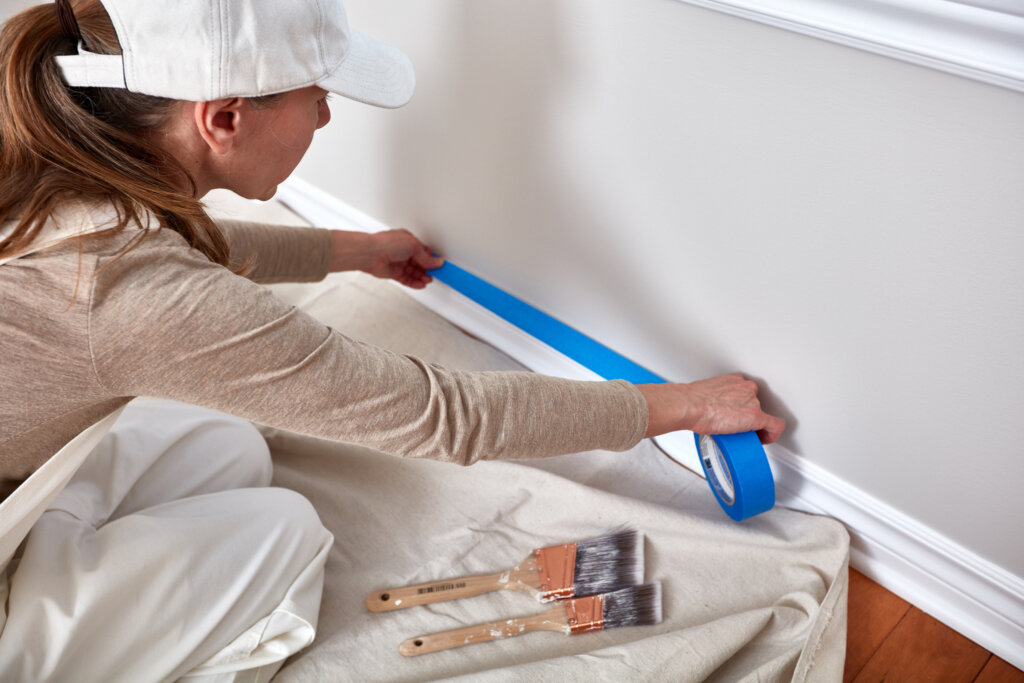
Fresh Paint: The Fastest Way to Change Everything
Paint is the ultimate reset button. It’s one of the few easy interior updates that can completely shift the mood of a room almost overnight, making it brighter, calmer or just a lot more “you”.
For first-time buyers, it’s also one of the easiest ways to get rid of that “just moved in” feeling. Magnolia walls and scuffed skirting instantly date a space, whereas a fresh coat of paint makes everything feel cleaner and more intentional.
Ballpark cost of painting a room:
- £30-£70 per room (DIY)
- £150-£300 per room (professional)
To get the most out of it:
- Stick to light, warm neutrals in main spaces to reflect light
- Use slightly deeper tones in smaller rooms for contrast
- Don’t forget woodwork – freshly painted doors and skirting elevate everything
Paint isn’t just cosmetic, it sets the tone for everything else you do.
What is the cheapest way to update a house interior?
Painting is widely considered the cheapest and most effective way to update a home because it delivers instant results for a relatively low cost. It can brighten rooms, modernise dated spaces and create a consistent look throughout the house.. all without structural work.
Refreshing walls, doors and woodwork together will give the best result, as it helps the whole space feel cohesive rather than partially updated.
Upgrade Your Internal Doors (Yes Really)
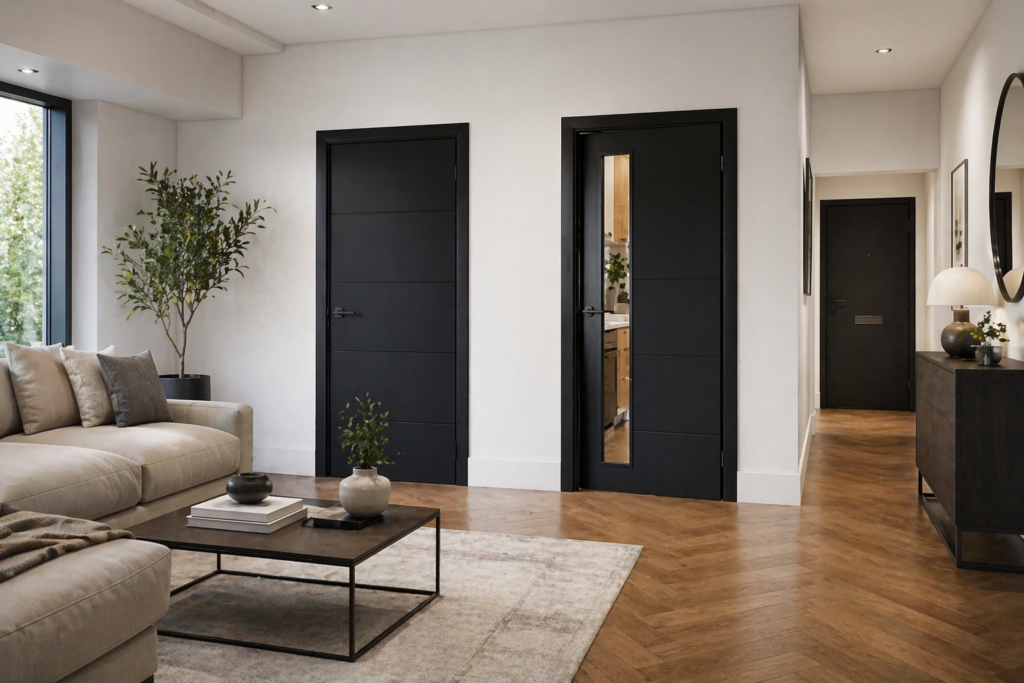
Internal doors are everywhere, so when they’re dated, you feel it in every room.
Replacing them is one of those upgrades that quietly transforms your whole home. It’s not just about looks either. New doors can improve how light flows, how spaces connect, and even how “finished” your home feels.
Swapping basic or mismatched doors for a consistent style helps create flow and cohesion, which is key in making a home feel more polished.
Ballpark cost of replacing internal doors:
- £50-£200 per door (supply only)
- £150-£300 fitted
What to consider:
- Glazed doors to brighten darker areas
- Oak doors or timber finishes for added warmth and texture
- Simple flush door designs for a clean, modern look
It’s a bigger upgrade than painting but the impact is just as noticeable, if not more. That said, if replacing your doors just isn’t viable, maybe upcycle the one’s you have. Be sure to strip any paint from the doors and sand them back (this is important for a decent finish) and then paint them in a colour of your choice. This can be a labourious job, but worth it if funds are tight!
Is replacing internal doors a big job?
Replacing internal doors is usually more straightforward than people expect, especially if you’re swapping like-for-like sizes. A confident DIYer can fit a door with the right tools, but for the best finish and to avoid any installation issues (especially with multiple doors) we always say it’s worth using a professional. The biggest thing to factor in is making sure measurements are accurate and hinges, handles and frames are properly aligned.
Lighting: Fix The Mood Instantly
If your home feels a bit flat or “off”, lighting is often the culprit.
Most new homes come with basic ceiling fittings that do the job but don’t do much else. Swapping them out is one of the quickest ways to change how a space feels.
Layering your lighting makes a big difference…
- Ceiling lights for overall brightness
- Lamps or wall lights for warmth
- Warmer bulbs for a more relaxed feel
Warm white bulbs = cosy, inviting vibes. Cool white = slightly “office kitchen” energy.
Ballpark cost to replace a ceiling light:
- £20-£80 per fitting
- £5-£15 per bulb
If you’re not particularly confident in your own skills when it comes to replacing a light fitting, you might need to factor in the cost of hiring a professional too. Good lighting doesn’t just make your home brighter, it makes it more liveable. It’s one of those upgrades you notice every single day.
Mirrors: Small Change, Big Effect
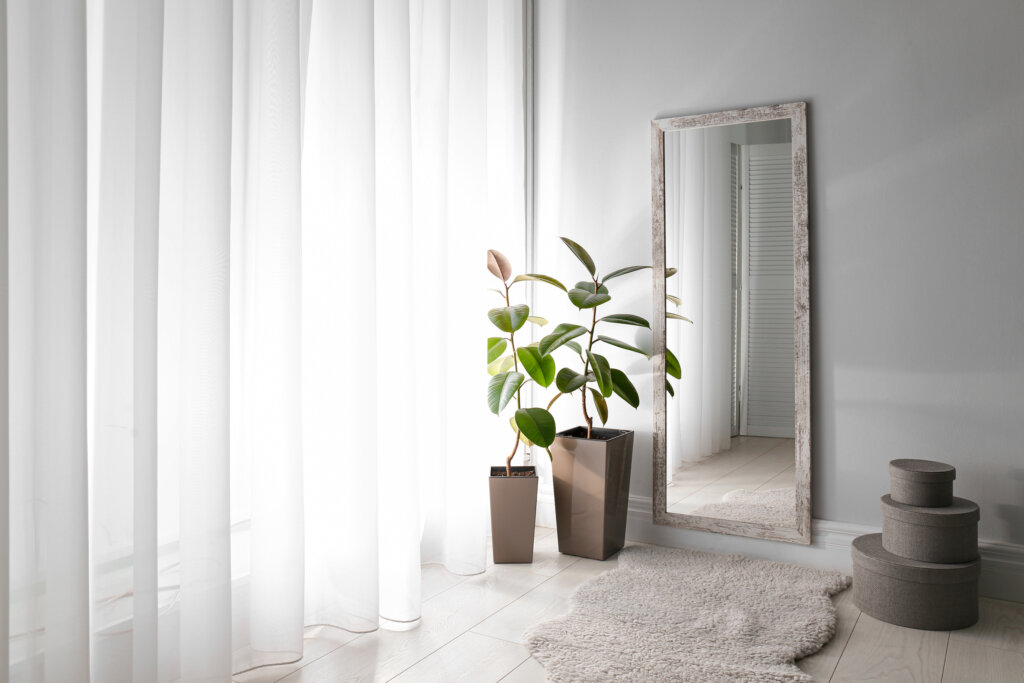
Mirrors are one of the easiest ways to make your home feel bigger without touching the layout.
They work by reflecting light and creating depth, which is especially useful in:
- Narrow hallways
- Smaller living spaces
- Rooms with limited natural light
Ballpark cost of a mirror:
- £20-£100 (depending on how fancy you’re feeling and how big the mirror is)
For best results:
- Place mirrors opposite windows or glazed doors
- Go slightly larger than you think you need, you’ll get more impact
It’s one of the simplest tricks in the book, but it works every time.
Where should you place a mirror in a room?
The best place to put a mirror is opposite or near a natural light source, like a window or glazed door. This helps bounce light around the room and makes the space feel brighter.
In hallways or smaller rooms, placing a mirror at the end of the space or along a main wall can also help create the illusion of more depth.
Dress Your Windows To Pull Everything Together
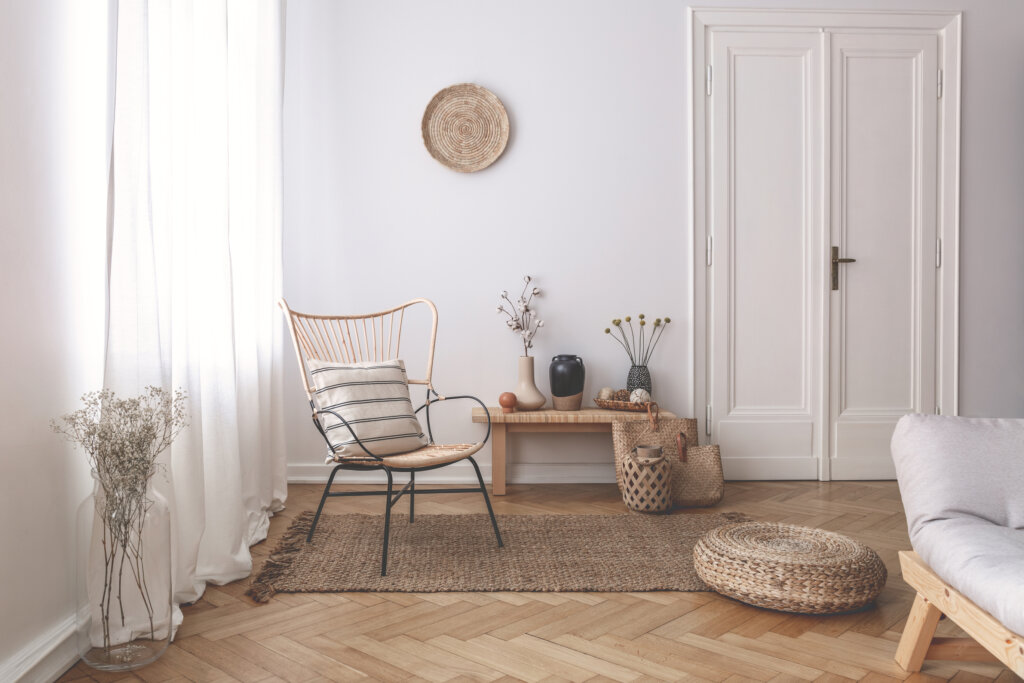
It’s easy to focus on walls, floors and furniture, but windows and doors play a huge role in how a space actually feels. Leaving them bare (or sticking with whatever was there before) can make a room feel a bit unfinished, even if everything else looks great.
The good news is, this is one of the easiest ways to level up your home without a big spend and the right window dressing can completely change the mood of a room.
Think about what you need first:
- Do you want to maximise daylight or soften it?
- Privacy is especially important in bedrooms and street-facing rooms
- Choosing something that works with the rest of your space
Some easy options:
- Curtains for a softer, more relaxed feel
- Blinds (like roller or slatted styles) for a cleaner, more modern look
- Layering both if you want flexibility
Ballpark cost:
- £20-£60 for basic blinds
- £30-£150+ for a pair of curtains depending on size and fabric
Top tip: Hang curtains slightly higher and wider than the window frame, it makes the window (and the room) feel bigger.
Peel-and-Stick Upgrades (Perfect for Beginners)
While they’re only a temporary fix, if you’re not ready for tools or big projects, peel-and-stick options are your best friend.
They’re ideal for:
- Kitchen splashbacks and counter tops
- Bathroom walls
- Feature panels
And they’ve come a long way, they can genuinely look good when done properly.
Ballpark cost:
- £30-£150 depending on area
A lot of peel and stick options these days are designed to be renter friendly in that they can be removed without causing any damage. This means it’s a low-risk way to experiment with style while you figure out what you really want long-term.
Are DIY home upgrades worth it?
Yes, absolutely! DIY upgrades can be extremely worthwhile, especially for first-time buyers working with a tight budget. Small projects like painting, updating hardware or adding peel-and-stick finishes can significantly improve the look and feel of a room without the cost of professional renovations. They also allow you to personalise your space and learn your likes and dislikes over time rather than rushing into expensive, more large scale decisions.
Swap Out Handles and Small Details
This is the upgrade that surprises people the most.
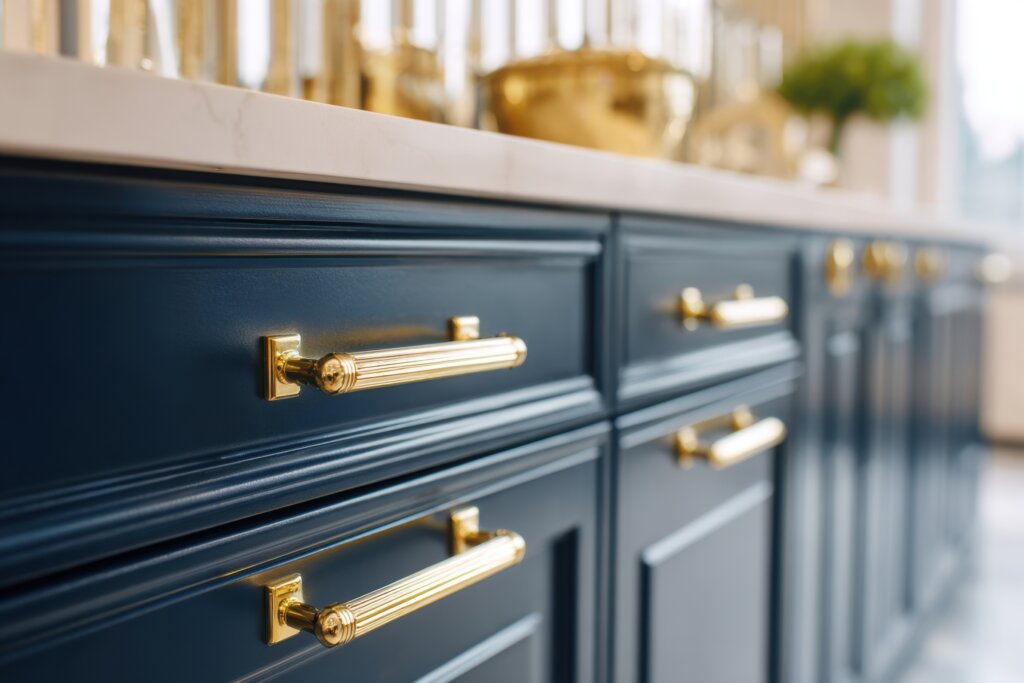
Changing things like cabinet handles, door handles sets and light switches can instantly modernise a space without major work.
It’s also one of the quickest jobs you can do, often in just a couple of hours.
Ballpark cost for replacing handles:
- £2-£10 per cabinet handle
- £10-£30 per door handle set
The key here is consistency. Choose one finish (like matte black or brushed brass) and carry it through the whole space to tie everything together.
Sort Your Flooring (or Fake It Well)
Flooring has a huge impact on how a home feels and even flows from room to room, but it’s also one of the bigger investments.
If replacing it isn’t realistic straight away:
- Use large rugs to soften and define spaces
- Keep colours consistent between rooms
If you are set on upgrading your flooring but are on a tight budget, laminate and LVT can give you a modern wood look for less, lighter tones can also help spaces feel bigger and brighter so it’s important to take time to consider these things before committing.
Ballpark cost of replacing flooring:
- Rugs: £50-£200
- Laminate/LVT: £15-£40 per m²
Even small flooring changes, such as in a hallway, can help your home feel more put together.
If you’re not up for laying laminate or LVT yourself, it’s important to consider fitting costs too. Though, it’s worth keeping a look out for offers from suppliers as they may include fitting free of charge with a purchase.
Declutter and Rethink Storage
This one costs the least, but can make a huge difference.
Clutter makes a space feel smaller, darker and way more chaotic than it needs to. Clearing it (or hiding it better) instantly improves how your home feels. If you have a dead space such as an alcove next to a chimney breast, consider building in some shelves. These shelves could then be home to some nice decorative boxes or baskets to put all your stuff and things in.
Try:
- Wall-mounted storage
- Inbuilt shelving with baskets and boxes
- Multi-use furniture
Ballpark cost of upgrading storage:
- £20-£100
It’s less about buying loads of new furniture and more about making your space work smarter for you.
Add Personality and Accessorise
When you first move in, a house can sometimes feel a bit… blank, especially new builds.
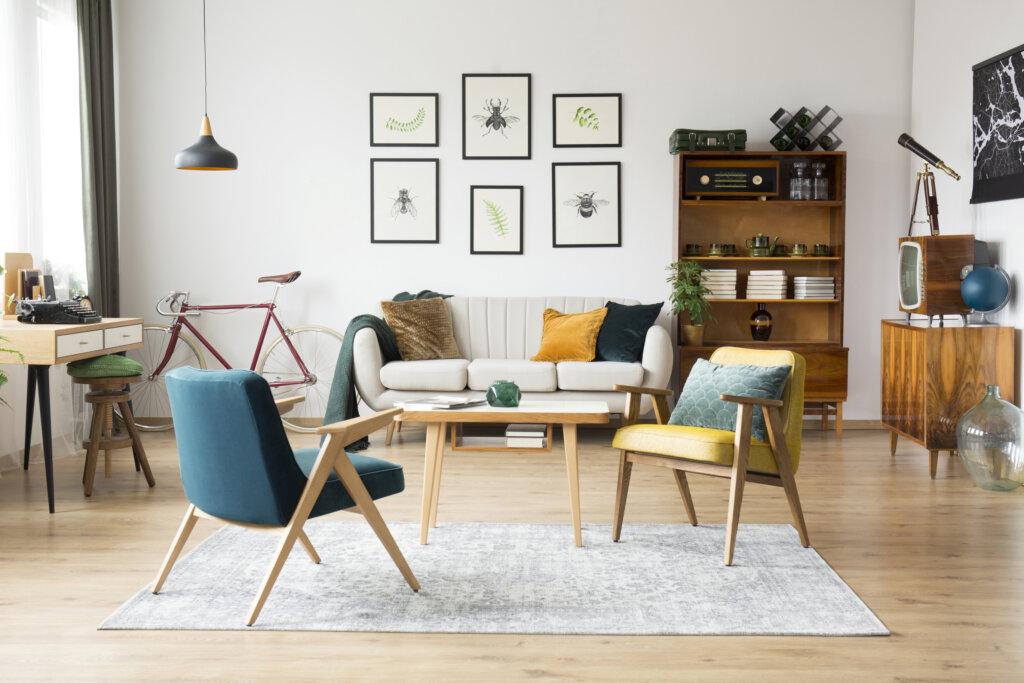
Adding small touches like plants, artwork, cushions and other textured elements can really help soften the space and make it feel lived-in. Charity shops and online marketplaces can be magical places when it comes to picking up bargains and quirky pieces.
Ballpark cost:
- £5–£30 per plant
- £20-£100 for decor pieces
It doesn’t need to be perfect, just enough to make the space feel like yours.
What home improvements add the most value on a budget?
The most valuable budget-friendly home improvements you can do are those that improve both appearance and everyday usability. Painting, upgrading lighting, replacing fixtures and fittings are all relatively low-cost and quick changes that can massively improve how a home feels. These updates make spaces look more modern, better maintained and more appealing without needing any major renovation work.
Don’t Rush It: Home Wasn’t Built in a Day
The biggest mistake first-time buyers make? Trying to do everything at once.
The best homes evolve over time.
Start with the changes that make the biggest difference day-to-day, like paint, lighting and doors, then build from there. You’ll end up with a space that feels more considered, more personal and far less stressful to create.
And honestly… figuring it out as you go is half the fun! And once you get that first room right, you’ll suddenly have VERY strong opinions about the rest of the house.