
 Amy Hunt
 Every home has one.
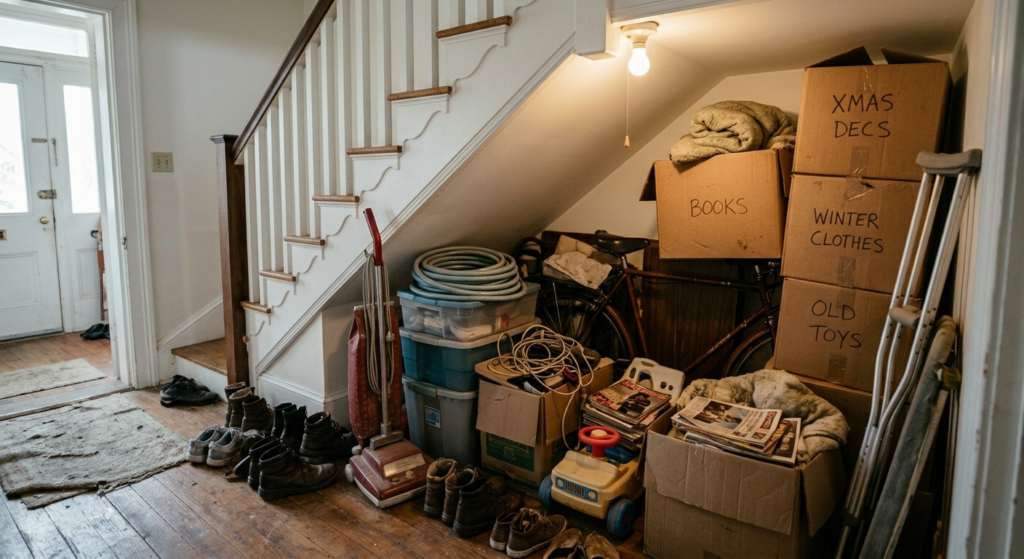
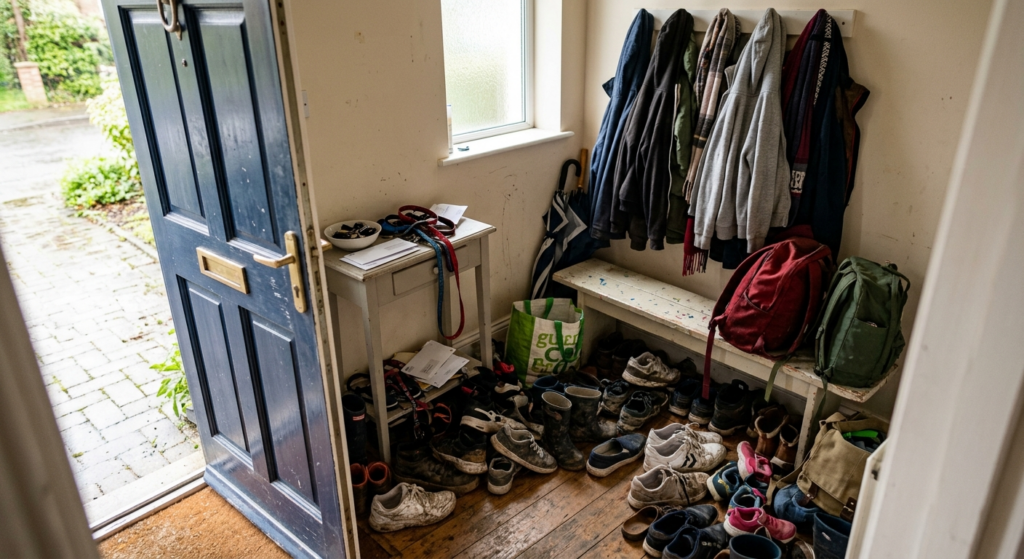
That awkward little area nobody quite knows what to do with. The bit by the back door where shoes gather in a small, chaotic herd. The cupboard under the stairs that contains three umbrellas, a hoover attachment nobody recognises and a bag of bags. The corner of the kitchen where coats, parcels, dog leads and laundry all seem to meet for a daily conference.
This is not wasted space. Not really.
This is a bootility room in disguise.
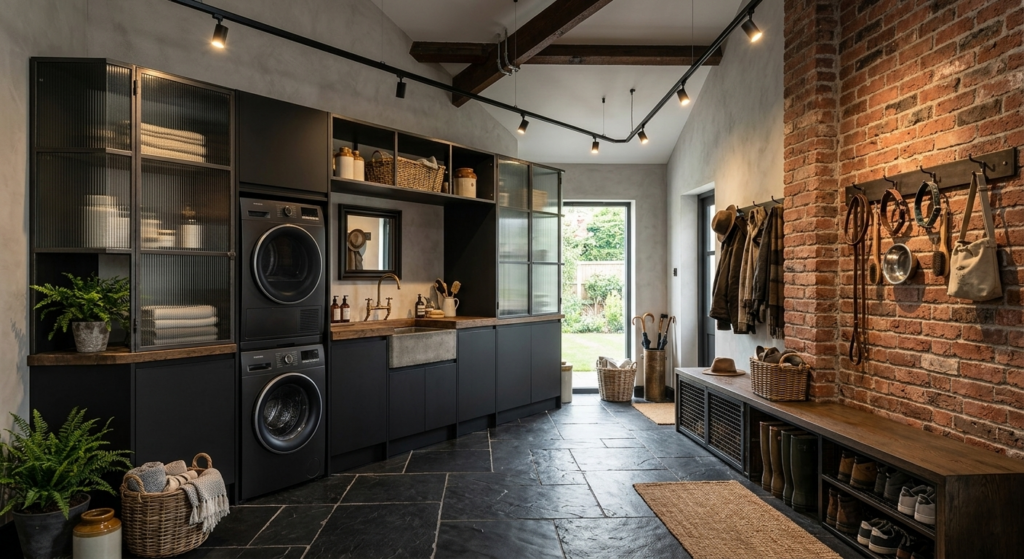
A bootility room is part boot room, part utility room and part “please stop leaving muddy trainers in the kitchen” rescue mission. It’s the practical space that catches all the everyday clutter before it spreads through the rest of your home like domestic glitter.
And no, you do not need a massive country house, a Labrador called Humphrey or a separate room with bespoke cabinetry and a flower sink. A bootility area can be big, tiny, hidden, open, fancy or cobbled together with hooks, baskets and a very determined attitude.
The secret is to make it work for real life. Muddy shoes, wet coats, laundry piles, pet stuff, school bags, gym kits, rogue shopping totes and all.
So, what actually is a bootility room?
A bootility room is exactly what it sounds like: a mix between a boot room and a utility room.
Traditionally, a boot room is where you’d take off muddy shoes and coats before coming into the main part of the house. A utility room is where laundry, cleaning products and household bits usually live. Put them together and you get a hardworking little zone that keeps the messier side of life neatly tucked away.
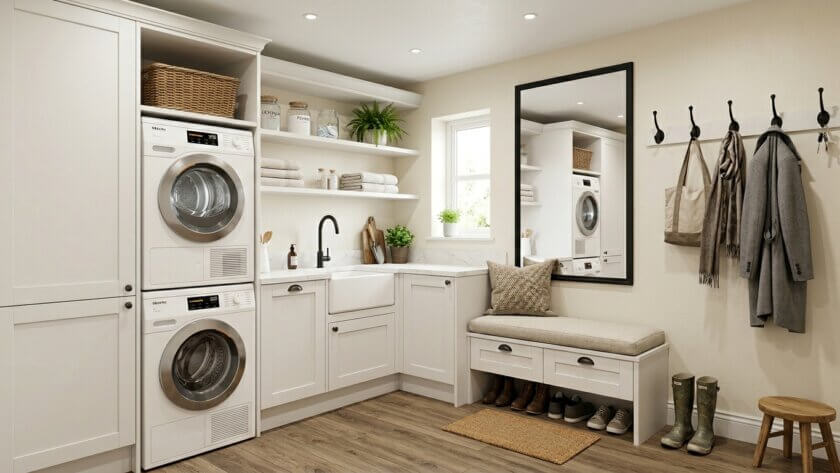
In real homes, that might mean a full room with a washing machine, dryer, coat hooks, shoe storage and a bench. Lovely. Dreamy. Very “I own matching storage jars.”
But it might also mean a cupboard near the back door, a section of hallway, an under-stairs nook or a small corner of the kitchen. The bootility room is less about size and more about purpose. It’s the place where everyday clutter gets intercepted before it stages a full takeover.
Find the Space That Already Wants the Job
The best place for a bootility area is usually close to where the mess naturally enters the home. That might be by the garden door, near a side entrance, off the kitchen or beside the hallway.
You’ll know the spot. It’s probably already doing the job badly.
If there’s a corner where shoes always pile up, that’s a clue. If coats keep appearing on the backs of dining chairs, that’s another. If the dog lead is never where you left it, your home is quietly asking for a bootility zone.
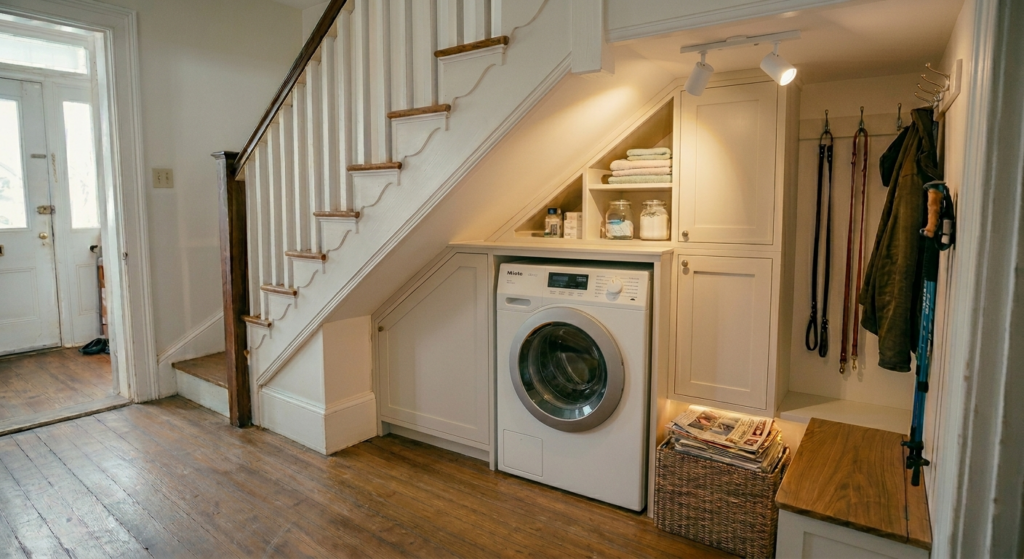
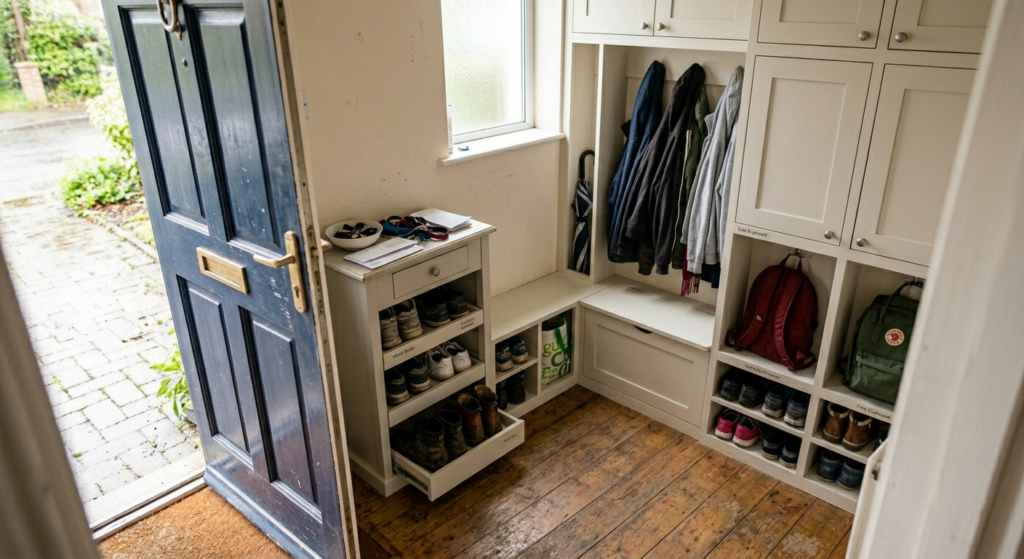
A narrow hallway can work surprisingly well with a slim bench, wall hooks and a shoe tray. An under-stairs cupboard can become a mini storage station with shelves, lighting and a smarter internal door. A kitchen corner can house laundry baskets, cleaning products and pet supplies if it’s planned properly.
You’re not looking for a perfect room. You’re looking for a space that can be given a clear job.
Start With the Problem, Not the Pinterest Board
This is where it’s very easy to get distracted by gorgeous boot room photos online. You know the ones. Perfect rows of identical baskets, children’s wellies lined up like tiny soldiers, a dog sitting peacefully under a bench as if it has never once rolled in something suspicious.
Beautiful? Yes.
Realistic for most homes? Questionable.
Before you start shopping for storage, think about what you actually need the space to solve. Is the issue muddy shoes? Laundry? Wet coats? Sports kit? Pet stuff? Cleaning supplies? A general “why is there always a bag in the doorway?” situation?
Once you know the problem, the layout becomes much easier.
If muddy shoes are the main enemy, you’ll want easy-clean flooring, a boot tray and somewhere to sit. If laundry is the problem, you’ll need baskets, appliance space and somewhere for detergent. If you have pets, you might want lead hooks, towel storage and a washable mat near the door.
The trick is not to turn one small area into the headquarters of your entire life. A bootility space should make things easier, not become a tiny room that’s on the edge of a nervous breakdown.
Doors are the Quiet Heroes of The Bootility Room
A bootility space has a practical job to do, but that doesn’t mean you always want to look at it. Laundry piles are honest, yes. Charming, not always.
This is where internal doors can make a huge difference.
If your bootility area is tucked off a kitchen, hallway or open-plan living space, the right door can help hide clutter, contain noise and make the space feel more intentional. A solid panel internal door is ideal if you want to close off laundry, cleaning supplies or general household mess. It gives you that lovely “not my problem right now” feeling when you shut it.
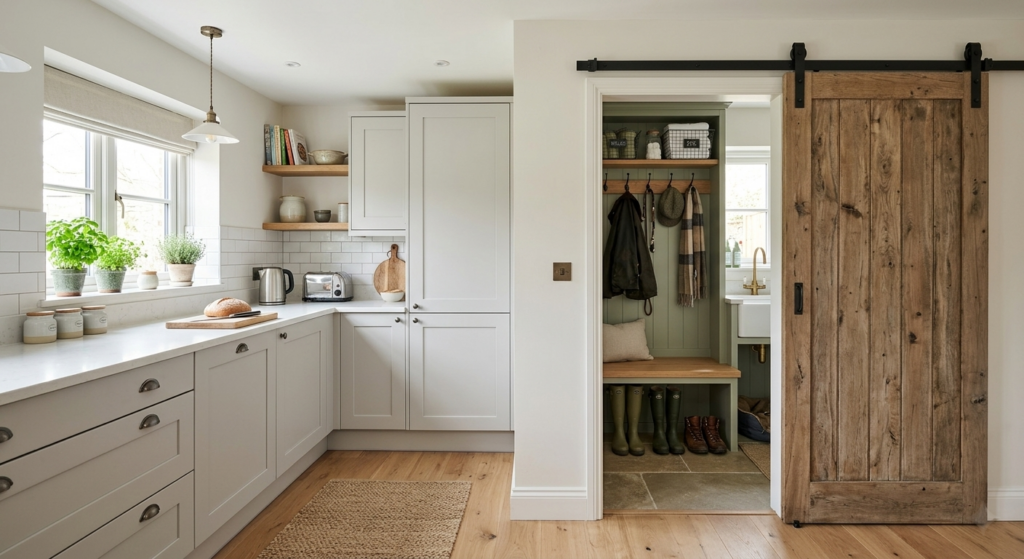
In tighter spaces, a standard hinged door might not always be the best choice. If the door swing gets in the way of appliances, cupboards or people walking through, a sliding barn door, pocket door or slimline bifold door could be a better fit. These options are especially handy in small homes where every bit of floor space has to earn its keep.
Glazed internal doors can also work beautifully if your bootility space is dark or sits between rooms. They allow light to pass through while still separating the practical zone from the rest of the home. If you like the idea of borrowed light but don’t fancy displaying your laundry basket to guests, frosted, reeded or partially glazed doors are a good compromise.
A bootility room door does not need to be boring. In fact, because these spaces are often small, the door can become part of the design. A painted door can add colour, an oak door can bring warmth, and a black internal door can make even a very practical space feel a bit more styled and grown up.
Think About How the Space Moves
A good bootility room should not require choreography.
You need to be able to walk in, take shoes off, hang up a coat, access the washing machine or grab the dog lead without performing a sideways shuffle past a laundry basket.
This is especially important if the space sits between the kitchen and garden. That route probably gets used constantly. People come in from outside, pets wander through, bins go out, washing goes to the line, muddy boots appear after walks and somebody always needs to get to the back door while someone else is unloading the dishwasher.
So before you fill every wall with cupboards, think about the path through the space. Keep the main route clear. Choose storage that supports the way people move, rather than blocking it.
A narrow bench can be useful, but only if it doesn’t stop the door opening properly. Tall cupboards can be brilliant, but not if they make the space feel like a corridor in a submarine. Wall hooks are great, but not if bulky coats turn the walkway into an obstacle course.
The best bootility rooms feel easy. You should not have to fight them.
Give Everything an Obvious Home
The reason clutter builds up is usually because things don’t have an easy place to go.
If the only place for shoes is “somewhere near the door,” then congratulations, you now have a shoe mountain. If the dog lead lives “in that drawer, I think,” it will absolutely vanish five minutes before a walk. If reusable bags have no home, they will breed in the hallway.
A bootility room works best when everything has a simple, obvious spot.
Coats need hooks. Shoes need a rack, tray or cupboard. Laundry needs a basket. Cleaning products need a shelf or cabinet. Pet leads need a hook near the door. Bags need somewhere to land that is not the floor.
This does not mean the space has to be perfectly tidy all the time. It just means tidying should be easy enough that people might actually do it. That’s the dream. Not perfection, just slightly less daily chaos.
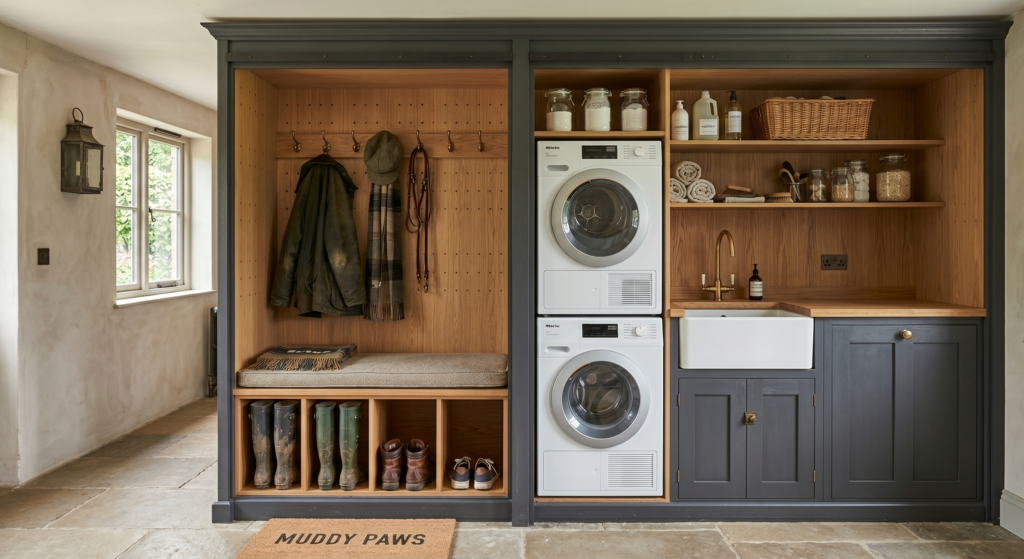
Open storage is useful for things you grab constantly, like coats, shoes and bags. Closed storage is better for the less photogenic bits, like cleaning sprays, laundry products, muddy pet towels and the mysterious collection of carrier bags that seems to come free with adulthood.
Choose Materials That Can Cope With Real Life
A bootility room is not a delicate space. It sees mud, rain, laundry splashes, damp coats, pet paws, cleaning products and the occasional emotional dumping of everything carried in from the car.
So the finishes need to be practical.
Flooring is the big one. Tiles, luxury vinyl and other wipeable surfaces are much better suited to a bootility area than anything that panics at the sight of a wet boot. If the space leads to the garden, choose flooring that can be swept and mopped easily.
Walls matter too. A wipeable paint or washable surface behind hooks and benches can save a lot of frustration. Coats, bags and shoes have a way of marking walls over time, especially in narrow spaces.
That doesn’t mean the room has to look purely practical. Patterned floor tiles can hide marks and add personality. A bold wall colour can make a tiny space feel deliberate rather than forgotten. Even a lovely internal door can lift the whole area, especially if the rest of the space is simple.
The goal is a room that can cope with life, then clean up nicely afterwards.
Add a Bench, Even a Tiny One
A bench is one of those bootility features that sounds optional until you have one. Then suddenly you wonder how you ever put shoes on while hopping around like a flamingo with deadlines.
Even a small bench can make the space much more useful. It gives you somewhere to sit, somewhere to drop a bag for a moment and, if you choose one with storage, somewhere to hide shoes, hats or pet towels.
In a compact space, a narrow bench or built-in seat can work well. In a cupboard-style bootility, a low shoe rack with a cushion on top can do the job. If there’s barely any room at all, even a small wall-mounted folding seat could be helpful.
Just make sure it doesn’t block the door or main walkway. No one wants a bootility room that attacks your shins before breakfast.
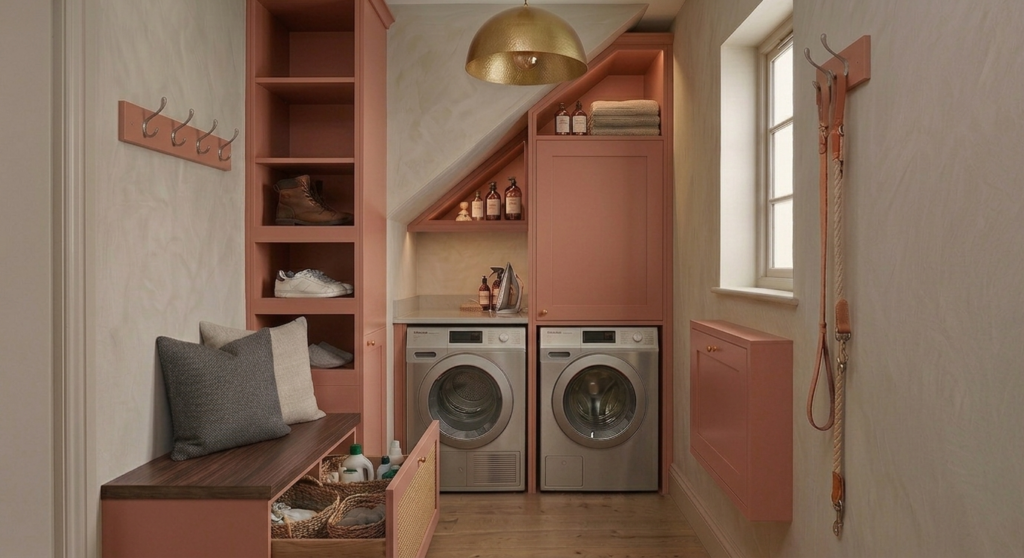
Make Laundry Feel Less Like a Haunting
If your bootility room includes laundry, it can make a massive difference to how your home functions. Laundry has a habit of spreading. One minute it’s in a basket, the next it’s on the stairs, over a chair, across the spare bed and somehow inside your soul.
A proper laundry zone helps contain it.
If you have space, a worktop above the washing machine and tumble dryer is useful for folding. Stacked appliances can save floor space. A wall-mounted drying rack can work well in a narrow room. A hanging rail is handy for shirts, damp coats or anything that needs to air dry.
Think about the full laundry journey. Where do dirty clothes go? Where do clean clothes land? Where does detergent live? Where do damp items dry? The more obvious the system, the less likely laundry is to start travelling around the house like it owns the place.
Ventilation is important too. Utility spaces can become damp if laundry is drying indoors, so fresh air, an extractor fan or good airflow will help keep things healthier and more pleasant.
Let There be Decent Lighting
Bootility rooms often get the worst lighting in the house. One lonely bulb. A shadowy corner. A cupboard so dark you have to identify shoes by touch.
This is not the vibe.
Good lighting makes the space easier to use and much nicer to be in. If there’s no window, choose bright overhead lighting so you can actually see what you’re doing. If it’s a cupboard or under-stairs space, battery-powered sensor lights can be genuinely useful. If you want it to feel a little more polished, under-shelf lighting or a small wall light can make a big difference.
Doors can help with light too. A glazed internal door can bring borrowed light into a darker utility space or hallway, while a solid door is better if you want to fully hide the practical zone. Again, frosted glazing gives you a nice middle ground.
No bootility room should feel like a cupboard where socks go to be forgotten.
Be Brave With Colour
Because bootility rooms are often small, they’re a brilliant place to have a bit of fun.
You might not want an inky blue kitchen or a terracotta living room, but a bootility nook? That can handle a little drama.
Sage green feels calm and practical. Warm pink can make a utility corner feel unexpectedly charming. Deep blue or charcoal can look smart, especially with brass or black hardware. Off-white and oak keeps things soft and simple. A patterned floor with plain walls can add personality without making the room feel too busy.
Your internal door can be part of this colour story. Painting it to match the walls can make the space feel neat and tucked away. Choosing a contrasting door can make it feel more designed. Oak adds warmth, white keeps things bright, and black can make the whole thing feel sharper.
Small spaces do not have to be dull. In fact, they often look better when they have a bit of character.
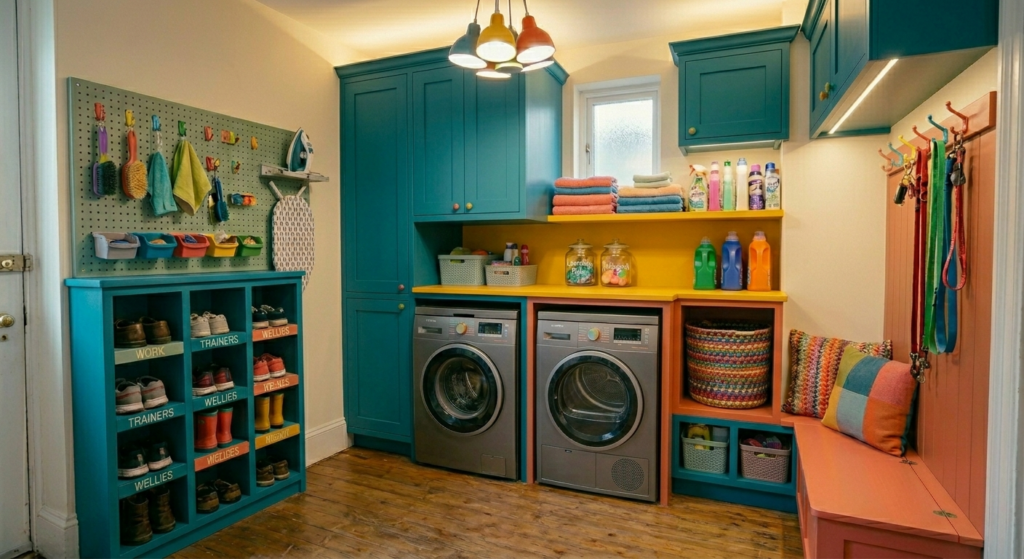
Do Not Forget the Back of the Door
The back of the door is sneaky storage gold.
It can hold hooks for coats, dog leads, umbrellas, laundry bags, cleaning cloths or small organisers. In a tiny bootility room or cupboard, this can be the difference between “actually useful” and “everything is on the floor again.”
Just be realistic about weight. A couple of hooks for leads and bags? Lovely. A full set of winter coats, four backpacks and a suspiciously heavy sports kit? Maybe not.
Also make sure anything attached to the back of the door doesn’t stop it closing properly. There is nothing more annoying than creating storage that immediately creates a new problem. That’s not home improvement. That’s plot development.
Make it Pet-Friendly
If you have pets, having a utility space can be genuinely life-changing.
It gives you somewhere to keep leads, harnesses, towels, food, treats, brushes, litter supplies and all the tiny bits that somehow come with one small animal. If the space is near the garden, even better. You can create a little clean-up station for muddy paws before they decorate the rest of your flooring.
A washable mat by the door is a simple win. So is a towel hook, a treat jar and a basket for outdoor toys. If you have more space and budget, a small sink or dog-washing area can be brilliant, but it’s not essential. Most homes can get a lot of benefit from a basic pet station that keeps everything in one place.
Choose finishes with paws in mind. Wipeable floors, sturdy doors, washable mats and easy-clean walls will all help the space survive enthusiastic pets, rainy walks and the occasional tail-powered accident.
Turn a Cupboard into a Mini Bootility Room
No spare room? A cupboard can still do plenty.
An under-stairs cupboard, hallway cupboard or kitchen-adjacent storage space can become a compact bootility area with the right setup. Add shelving, hooks, a shoe rack, lighting and a basket or two, and suddenly the cupboard has a purpose beyond swallowing random household objects.
The door matters here too. If the cupboard door is tired, replacing it with a smarter internal door can make the whole area feel more intentional. Bifold doors can work well on wider cupboards where there isn’t much space for a full door swing. A sliding door can be useful if the cupboard opens into a narrow hallway.
It may only be a small change, but it can make the space feel less like a forgotten cupboard and more like a clever little home hub.
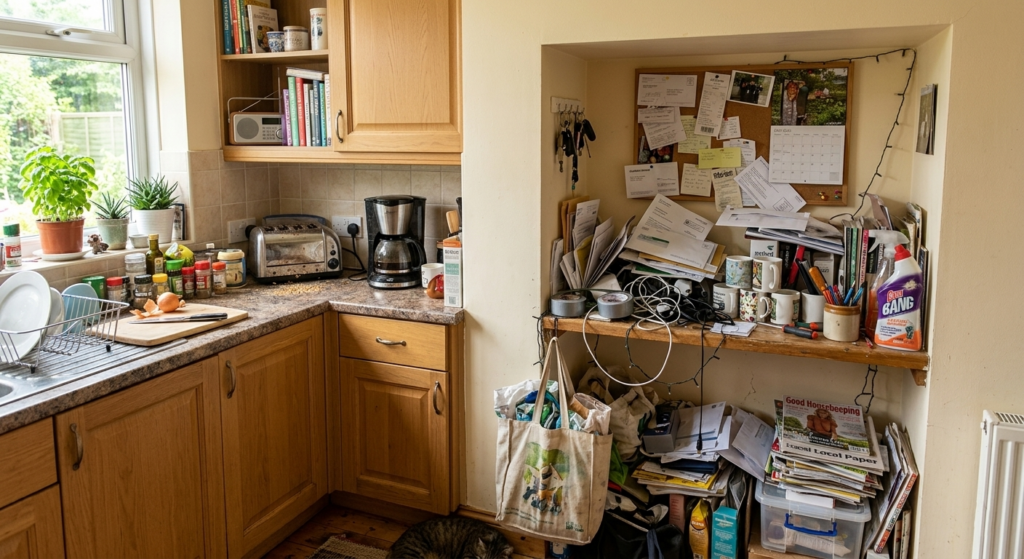
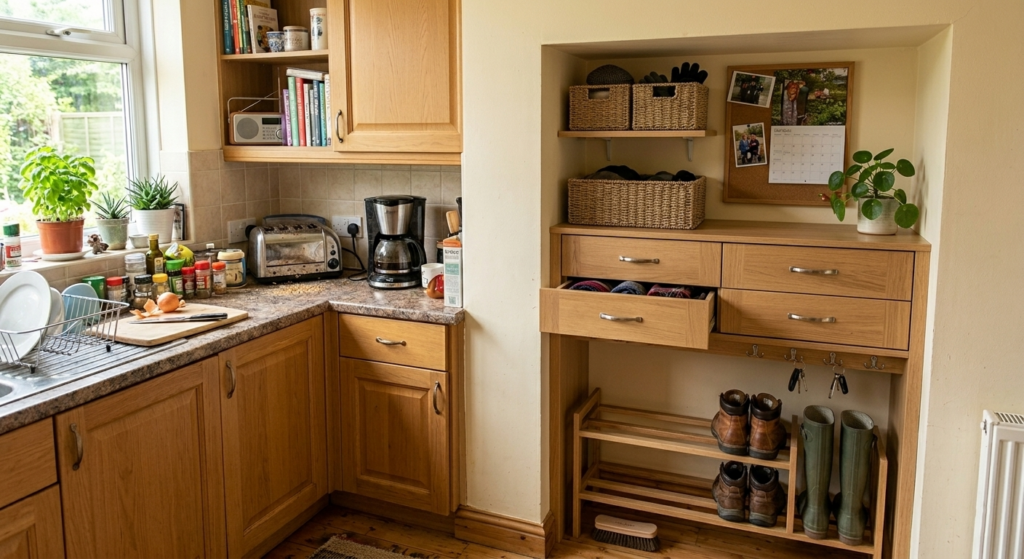
Think About the Garden Connection
If your bootility space leads outside, the external door deserves attention too.
A glazed back door can bring in natural light, which is especially useful if the area is narrow or tucked away. French doors can look lovely in a kitchen or utility space that opens onto a patio. Sliding or bifold doors may suit larger kitchen diners where you want a stronger indoor-outdoor connection.
The best choice depends on how you use the space. If the door is opened constantly for pets, bins, washing and garden access, it needs to be easy to use and practical. If you want more light, glazing is worth considering. If privacy or security is a concern, choose the style, glass and locking system carefully.
The door to the garden does more than let you outside. It shapes how the kitchen, utility area and outdoor space work together.
Make it Nice Enough to Leave Open
The real bootility room secret is this… it does not need to be perfect. It just needs to be pleasant enough that you don’t feel mildly accused every time you walk past it.
A few thoughtful details can make a big difference. Matching baskets. A washable runner. Nice hooks. A cheerful wall colour. A good-looking laundry basket. A smart internal door. A little print. A plant that may or may not be real, depending on your commitment level.
You don’t need to spend a fortune. You just need the space to feel considered.
Because when a bootility area looks decent, you’re more likely to keep it under control. And when it works properly, the rest of your home feels calmer too.
Mostly.
There will still be shoes in strange places. This is Britain. It rains every twelve minutes and everyone owns too many coats.
Dead Space is Just Waiting For a Job
The bootility room has become popular because it solves a very real problem. Homes need somewhere for the messy, practical, everyday stuff. The coats. The shoes. The laundry. The dog towels. The cleaning products. The bits and bobs that don’t belong in the living room but somehow keep ending up there.
And the good news is, you don’t need a huge home to make one work.
A cupboard, corner, hallway, porch or back-door nook can all become a useful bootility space with the right approach. Think about the mess you want to manage, choose storage that fits the way you live, use doors to hide or separate the space and pick materials that can handle real life.
Dead space is rarely truly dead.
Sometimes, it’s just waiting for a hook, a basket and a very good door.