

 Amy Hunt
 Getting the keys to your first home is a bit of a moment, isn’t it? For new homeowners, it’s a mix of excitement, a bit of chaos and then… that sudden realisation that the slightly tired carpet and magnolia walls are now your problem.
But that’s also the fun of it, you get to shape the space exactly how you want it. Creating a wish list of upgrades or features can help organise your thoughts and priorities as you plan. Seeking inspiration from other homes, magazines or online can help spark ideas.
The challenge is knowing where to start. When everything could do with a refresh, it’s easy to feel like you need to tackle it all at once… but feeling overwhelmed is completely normal for new homeowners.
The smartest upgrades for first time buyers are the ones that make your home feel better to live in straight away, while quietly setting you up for bigger improvements later on.
Start With How Your Home Feels, Not Just How It Looks
Before diving into paint charts and Pinterest boards, spend a little time actually living in the space. Ideally, live in your new home for a few weeks to observe how natural light moves through each room and how you actually use them day-to-day.
Notice what feels off. It’s usually not the obvious things, it’s the small annoyances that stand out most and then really start to eat away at your brain.
You might find:
- the hallway feels dark and a bit uninviting
- the living room doesn’t quite feel cosy yet
- lighting feels too harsh or too dull
- rooms don’t flow as well as you’d like
Those are your starting points. Fix how the space works first, and make sure you have a clear plan before making any changes, this will make everything else much easier to layer in afterwards.
What should you upgrade first in a new home?
For first time buyers, moving into a new place is exciting, but it can also feel like everything needs doing at once. The trick is not to try and tackle it all, start with the upgrades that make the biggest everyday difference.
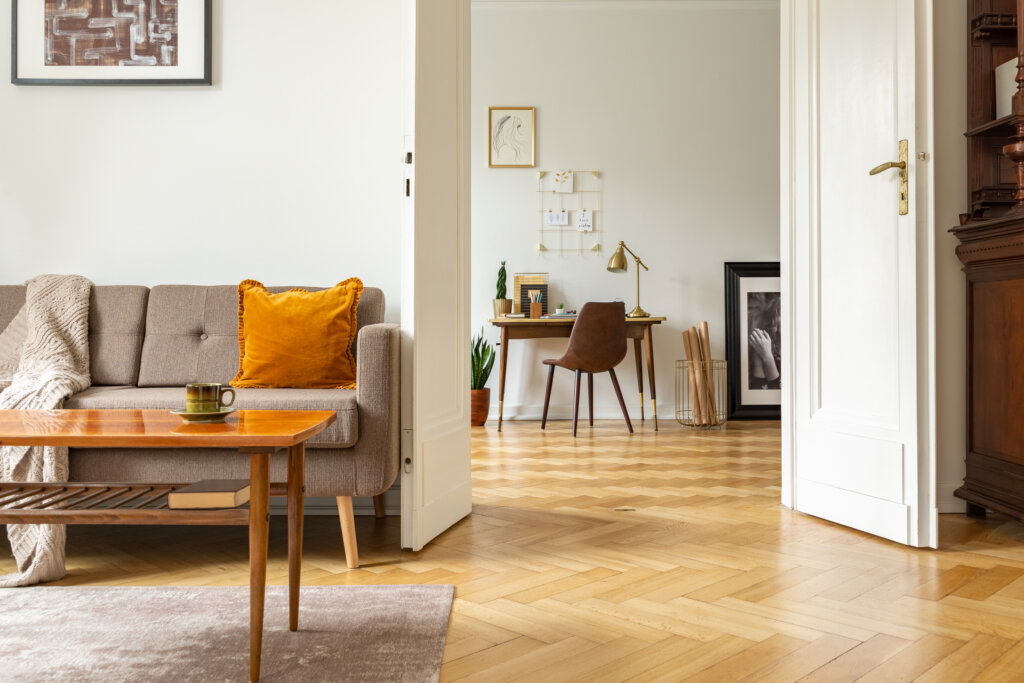
For most people, that means focusing on the basics first, so a fresh lick of paint, good lighting and anything that affects how the house feels as soon as you walk into it. Swapping out tired flooring or updating key features like internal doors can instantly lift the look of your home and make it feel more “you” without a full renovation.
After that, think about how you actually live in the space. First-time buyers should focus on key rooms where they will spend the most time, such as the bedroom and living room, to create comfortable sanctuaries before tackling other areas.
Prioritise essential furniture such as a bed, sofa and dining table, as these are crucial for daily living and help create a functional, inviting home. It’s also wise to start with essential kitchen items like utensils, crockery and cutlery, since these are necessary for daily meal preparation and dining. You don’t need to do everything at once, focus on changes that improve how your home looks and works day to day, then build from there as your personal style (and budget) evolves. Always keep an eye on your money and manage your budget carefully when making these initial purchases.
Is it better to decorate before moving in?
It can definitely be easier to decorate before moving in, especially for bigger jobs like painting walls, replacing flooring or updating internal doors. With empty rooms, you’ve got more space to work, fewer obstacles to move around and you won’t need to worry about protecting furniture or living around the disruption. If you already have a clear plan, getting these upgrades done early can help your new home feel fresh and ready from day one.
That said, it’s not always essential and like we’ve mentioned, it’s actually helpful to live in the space first. Spending a bit of time in your home allows you to understand how each room feels, how light moves through it and what really needs changing. For smaller or more personal updates, decorating after you’ve moved in often leads to better decisions and a home that feels more considered over time.
Focus On the Changes That Make the Biggest Difference
When you’re just starting out, it’s tempting to go straight for the fun bits, furniture, accessories, styling, etc, but some of the biggest transformations come from the basics. Creating digital mood boards of your preferred colour palettes and styles can help you visualise your design preferences and plan your upgrades more effectively. And don’t forget, before buying large items of furniture, always measure your space to avoid costly mistakes with fitting and layout.
A few upgrades that always deliver a big impact:
- Fresh paint: instantly brightens, modernises and ties everything together
- Updated flooring: removes that “dated” feel straight away
- Internal doors: creates a more cohesive, considered look
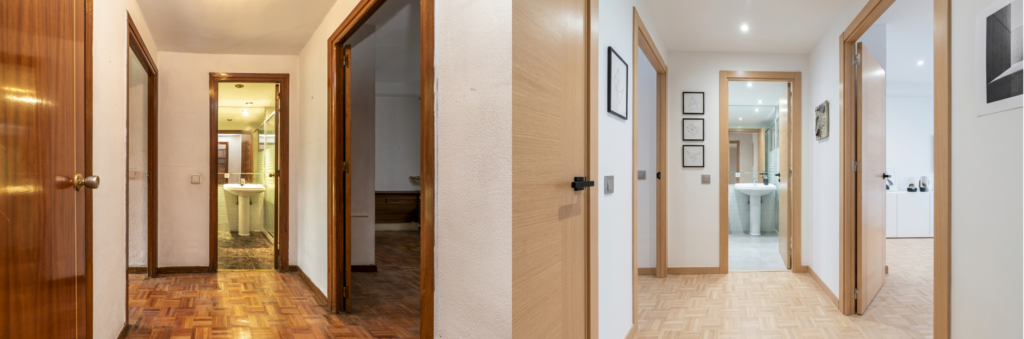
We’re not just saying it because of who we are but internal doors are definitely one of those underrated upgrades. If you’ve bought an old house and they’re mismatched or outdated with about 18 layers of paint slapped on them, they can easily drag the whole room down. Swap them for a consistent style, or introduce glazed doors where it makes sense, and suddenly everything feels far more intentional. By taking the time to create a design plan, you can avoid costly mistakes and make sure your home comes together just as you envisioned.
Do internal doors really make a difference?
It might not be the first thing you think about, but updating internal doors is a key part of interior design and actually makes a HUGE difference to how your home looks and feels. They’re one of the most used features in a house, so when they’re right, everything just feels more put together.
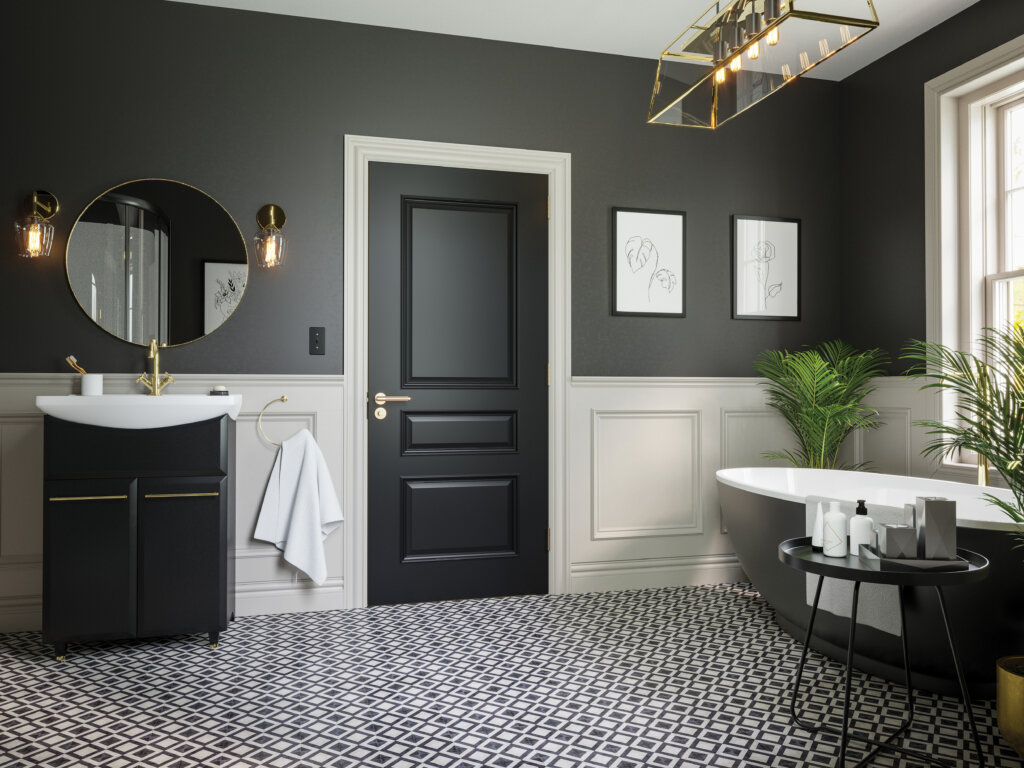
The style you choose can completely shift the vibe. Sleek modern flush doors can make a space feel fresh and minimal, while classic panel door designs add a bit more old-world character. Even something as simple as switching to glazed doors can brighten up darker areas and completely change up how things feel.
It’s not just about looks either. Good internal doors help with privacy, reduce noise between rooms, make your home feel more finished overall and even cut energy bills. If you’re updating your new home, they’re one of those changes that quietly level everything up without needing a full renovation. So while they might seem like a small detail, the right doors can genuinely transform how your home feels and even operates day to day, making them a clear sign of progress in your home’s transformation.
As a side note, be conscious of where you might need to add fire doors to meet building regulations.
Should you replace doors before flooring?
In most cases, it’s best to replace internal doors after flooring has been installed. This makes sure the door can be trimmed to the correct height, allowing for proper clearances and a clean, consistent gap above the finished floor level. It also helps avoid issues where a door ends up too short (or too tight) once new flooring is in place.
That said, if you’re working to a tight schedule or replacing like-for-like, doors can sometimes be fitted first, but you’ll need to carefully account for the final floor height if you plan to replace that later down the line. For the best finish and least hassle, flooring first then doors is usually the safest approach.
Give Your Hallway a Little Extra Attention
Hallways don’t always get the spotlight they deserve, but they are an important part of your home’s interiors, quickly setting the tone for your entire home.
If yours feels dark, narrow and just generally a bit “meh”, it can affect how the whole place feels, even if the rooms beyond it are lovely.
The good news is, it doesn’t take much to improve a hallway. A few simple changes can go a long way:
- lighter paint colours to open up the space
- mirrors to bounce natural light around
- warmer, softer lighting
- glazed doors from adjoining rooms to let light flow through
It’s a small area, but getting it right makes a big difference every time you walk through the door.
How can I make my hallway feel bigger and brighter?
Hallways can easily end up feeling a bit dark and cramped, but a few simple tweaks can totally change the vibe. The biggest win is getting more light moving through the space.
Think glazed internal doors or just keeping doors open where you can to let light flow in from other rooms. Pair that with lighter wall colours like soft whites or warm neutrals and you’ll instantly make the space feel more open. Adding a mirror or two is another easy upgrade, helping to reflect any light that does flow in and gives the illusion of more space without any major effort.
Keeping things streamlined makes a big difference too. Swap bulky furniture for slimline or wall-mounted storage so you’re not losing precious floor space and try to keep flooring consistent with the rooms next to it for a smoother, more open feel.
Good lighting is key as well. Layering ceiling lights with wall lights, floor lamps, or other lamps can make the space feel much brighter and more welcoming, especially in hallways that lack natural light. Even small updates can help your hallway feel less like a pass-through and more like an integral part of your home.
Take It One Room At A Time
There’s no prize for finishing your entire house in one go.
In fact, trying to do everything at once is usually where things get overwhelming or leads to feeling stuck. A much easier approach is to break it down and focus on one space at a time.
Start with:
- The room you use most (often the living room or bedroom)
- The space that feels most “unfinished”
- The area that will give you the biggest day-to-day improvement
Focusing on one room at a time helps you see progress and stay motivated. Once one room feels right, the rest tends to follow much more naturally.
Mix Quick Wins With Longer-Term Plans
Not every upgrade needs to be a big project. In fact, some of the most satisfying changes are the quickest ones. Having a clear plan and brainstorming ideas early on can help you prioritise which upgrades to tackle first and make sure your renovation journey stays on track.
It helps to think in two layers:
Quick wins (instant impact):
- Painting walls
- Updating lighting
- Adding rugs, cushions or curtains
- Swapping handles or small details
Longer-term upgrades:
- Replacing internal doors
- Updating flooring
- Improving built-in storage
- Reworking layouts
When planning longer-term upgrades, it’s crucial to budget for every known cost from the start, right down to the smallest items like sockets and switches, to avoid being left with a mediocre finish after spending thousands. Setting a contingency fund of 10-20% above your overall budget is also a really good idea to cover any unexpected costs and help you manage your money wisely as you navigate the reno process.
Doing a mix of both keeps things feeling exciting while still moving you forward. These strategies are pretty much guaranteed to help save money and reduce the risk of running out of funds early.
What are the cheapest ways to upgrade a new home?
Upgrading a new home doesn’t have to mean huge budgets or full renovations from the off, some of the most effective changes are actually the simplest. One of our top tips is to start with a fresh coat of paint, even if the wall underneath is a bit rubbish. Even if it’s only a temporary measure, this is an easy win that instantly makes a space feel cleaner, brighter and more modern, especially when you stick to light, neutral tones.
Another key piece of advice is to swap out small details like door handles, light fittings, plug sockets or cabinet hardware. These can give your home a more polished, “finished” feel without much cost involved. Even things like adding mirrors, updating lighting or repurposing and upcycling what you already own can transform how a room feels without spending much at all.
As we mentioned before, focus on upgrades that improve both style and day-to-day living initially. Refreshing kitchen cabinets with paint or new handles, adding a simple splashback to replace outdated tiles, or updating bathroom fixtures are all budget-friendly ways to elevate key spaces without a full remodel.
Consistent flooring, tidier storage and small DIY touches like peel-and-stick tiles or sanding back and treating floorboards can also have a big impact visually for relatively little spend.
The key advice is to prioritise changes that make your home feel more put together and functional, and being able to make it look a little bit sexier while doing it is a bonus. Small upgrades done well often go further than one big, expensive project.
Aim For Consistency
You don’t need everything to match perfectly, but a bit of consistency goes a long way.
This is especially true for internal doors, flooring and colour palettes.
When these elements flow nicely from room to room, your home feels more joined up and intentional, even if you’ve kept things really simple.
It’s one of those subtle upgrades that makes everything feel more “finished” without needing a big budget.
Let Your Home Grow With You
Your first home isn’t meant to be perfect straight away. It’s your first step on the property ladder, and progress happens over time as you make it your own.
It’s something you build as you go. You’ll figure out what you like, what works for you and what doesn’t… that’s all part of the process.
That might mean:
- introducing colour slowly
- mixing styles as you go
- changing your mind (which is completely normal)
The best homes aren’t rushed, they evolve and ongoing developments in your home will reflect your changing style and needs.
How long does it take to fully decorate a house?
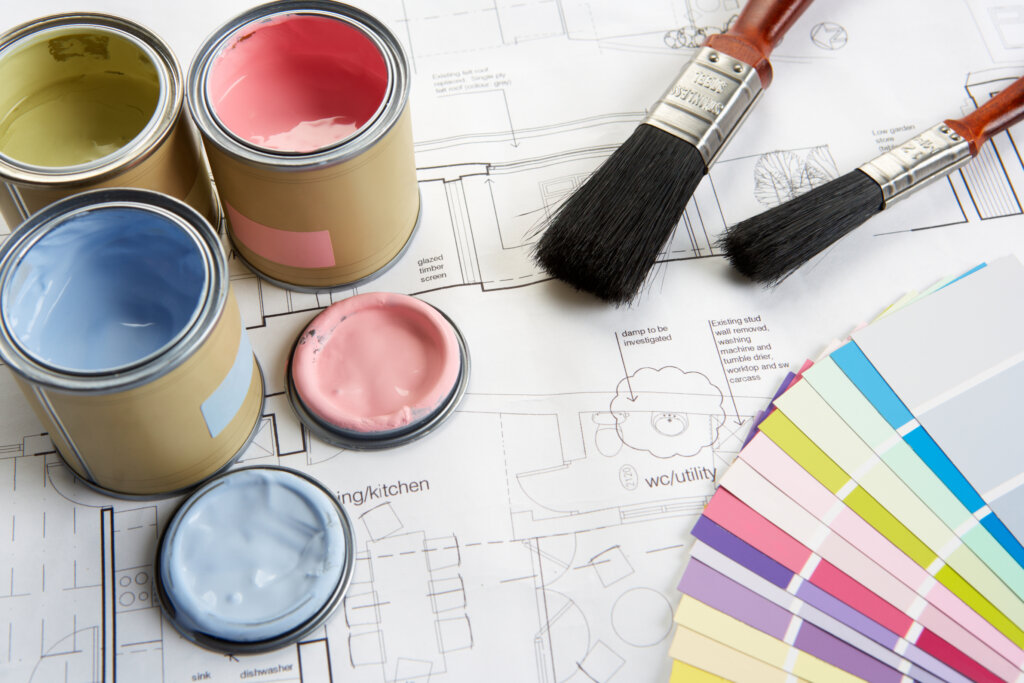
Decorating a whole house can take anywhere from a couple of weeks to a few months, depending on the size of the property and whether you’re planning to hire professionals or go at it yourself.
For those navigating their first home purchase and setup, patience and planning are essential. For example, a small flat or terrace might be completed in 1-3 weeks by a competent professional decorator, while a typical 3-4 bedroom home often takes 2-5 weeks. If you’re tackling it DIY, timelines tend to stretch out, especially when you throw a full time job into the mix so you’re only available evenings and weekends.
What really affects the timeframe is the prep work needed (filling, sanding, priming etc) and the drying time between coats, rather than just the painting itself. Add in details like woodwork, skirting and fitting or finishing internal doors and that timeframe can quickly lengthen. The key is not to rush it, allowing time for a proper finish will make a big difference to how cohesive and polished your home feels once everything comes together.
Think About Perceived Value (Without Overthinking It)
Even if you’re not planning to move any time soon, it’s worth keeping value in the back of your mind.
You don’t need to overcomplicate it. The upgrades that tend to add the most value are also the simplest:
- Modern, consistent doors
- Good-quality flooring
- Clean, neutral walls
- Better light flow through the home
They might not be the flashiest changes, but they make your home feel more complete, and that’s what people tend to notice when buying.
Keep It Simple and Enjoy It
Your first home is a blank canvas and that’s what makes it exciting.
You don’t need to do everything at once to create your dream home. Start with the basics, focus on what makes the biggest difference and build from there.
If you’re having a few decorating challenges in your first home and need some inspo, consider adding art to personalise your space and create a unique atmosphere. Visiting lots of different great places can also inspire your own style and help you discover new trends. Replacing carpets with hard flooring like wood or luxury vinyl is a simple way to achieve a cleaner, more modern look. Installing dimmer switches lets you control lighting and dramatically change the mood of any room.
Before long, those small upgrades will start to come together and the place that felt a bit unfamiliar on day one will start to feel completely your own.
And that’s the best upgrade of all. Happy reno-ing!